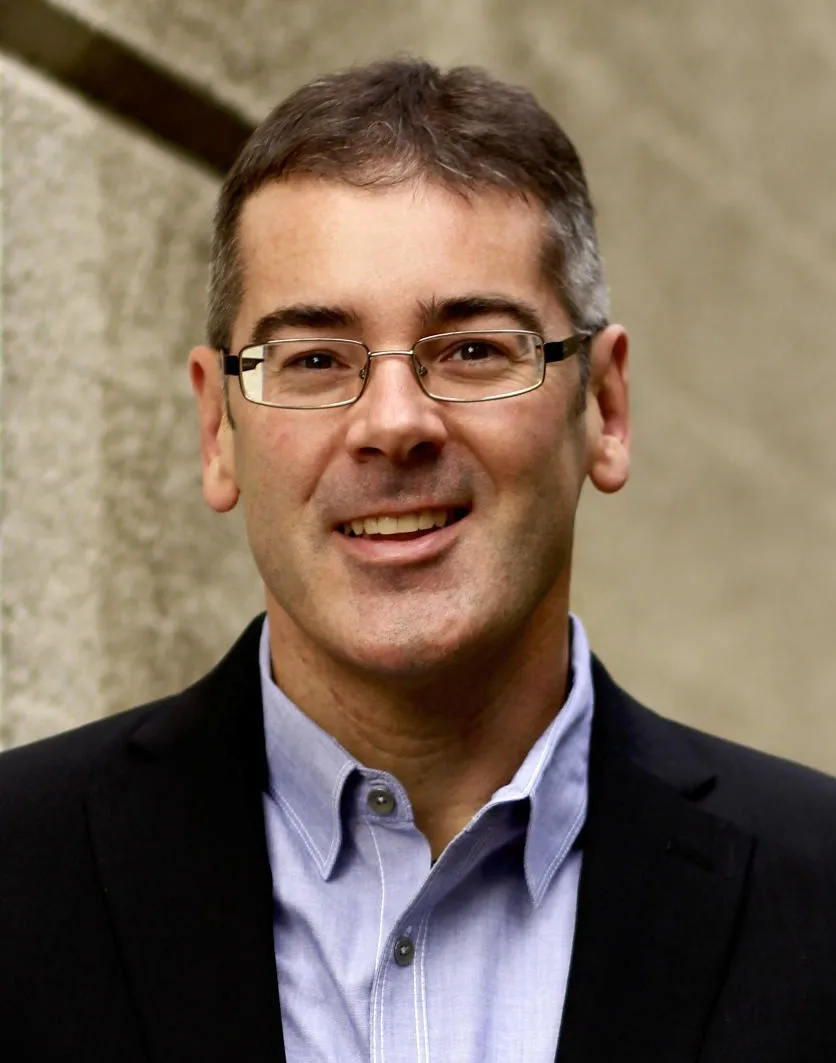
Chemistry Colloquium, Presented by Prof. Jeffrey Long, University of California Berkeley
Cooperative Adsorption and Gas Separations in Metal–Organic Frameworks
The tunability of metal–organic frameworks offers the possibility of designing powerful new adsorbents that selectively adsorb and release gas molecules in a cooperative manner. An initial example of such a material was realized in mmen-Mg2(dobpdc), which exhibits step-shaped CO2 adsorption isotherms arising from a cooperative insertion mechanism that leads to ammonium carbamate chains running along the pore surface. This mechanism has now been widely elaborated, leading to diamine-appended adsorbents that cycle at high capacity in the presence of water, and are capable of efficiently separating CO2 from flue gas emissions, air, natural gas, and biogas. Stabilization of the materials through functionalization with appropriately structured tetraamines further enables cooperative CO2 capture at high temperatures, as well as regeneration via steam stripping. Efforts to expand the scope of cooperative adsorption have led to new metal–organic frameworks containing: (i) chains of high-spin iron(II) sites that can cooperatively adsorb CO via a spin transition mechanism, (ii) chains of redox-active cobalt(II) sites that exhibit negative cooperativity upon uptake of O2, (iii) binuclear metal complexes that enable the cooperative adsorption of NH3 through a ligand insertion mechanism, and (iv) isolated cobalt(II)-methyl sites that demonstrate cooperative uptake of two CO molecules per metal. This approach has now been extended to molecular polyamine network solids designed for high-capacity CO2 capture via a reactive phase change. Finally, the first porous materials that can effectively adsorb CO2 at elevated temperatures in the range 200-300 °C will be introduced.
Read more about the Long Research Group here