4pm - 5pm
Discovery of a Brain-Sparing GIRK1/4 Ion Channel Inhibitor for Pharmacological Cardioversion of Atrial Fibrillation
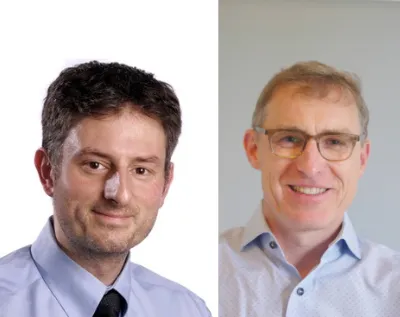
Presented by Dr. Stefan Peukert
Abstract:
Atrial fibrillation (AF) is the most common cardiac arrhythmia, and a significant risk factor for ischemic stroke and heart failure. Marketed anti-arrhythmic drugs can restore sinus rhythm, but with limited efficacy and significant toxicities, including potential to induce ventricular arrhythmia. Atrial-selective ion channel drugs are expected to restore and maintain sinus rhythm without the risk of ventricular arrhythmia. One such atrial-selective channel target is GIRK1/4 (G-protein regulated inwardly rectifying potassium channel 1/4). However, preceding GIRK1/4 clinical compounds were dose-limited in clinical trials, possibly due to central adverse effects caused by inhibition of the closely related GIRK1/2 channels present in the CNS. We outline our strategy to minimize brain exposure to reduce central toxicity as an alternative to ion channel isoform selectivity. We describe multiple approaches to reduce brain exposure and the use of an innovative acute rat toxicity model to evaluate central toxicity in vivo, resulting in our clinical candidate. We show data around the chemical stability of the lead compound and optimization of the formulation to provide a viable drug product for iv administration. Phase 1 clinical data shows the translatability of our preclinical toxicity assessment into healthy volunteers, ultimately demonstrating target engagement and enabling a Phase 2 study in a cohort of patients.
5pm - 6pm
Natural Product Antibiotics: Past, Present, Future
Presented by Prof. Mohammad Seyedsayamdost
Abstract:
Microbial natural products have served as a dominant source of antibiotics and comprise some of our most celebrated cures. Until the turn of the century, they were identified via tedious 'grind-and-find' approaches, which increasingly resulted in the re-isolation of known compounds. More recently, the availability of microbial genome sequences has ushered in a renaissance in natural product research and significantly impacted discovery approaches. In this talk, I will present new methodologies that my group has developed to locate otherwise hidden or 'cryptic' natural products, notably antibiotics, from diverse bacteria and to explore their therapeutic utility, mechanism of action, and ecological relevance. Our results provide deeper insights into microbial metabolism with implications for drug discovery and antibiotic research.